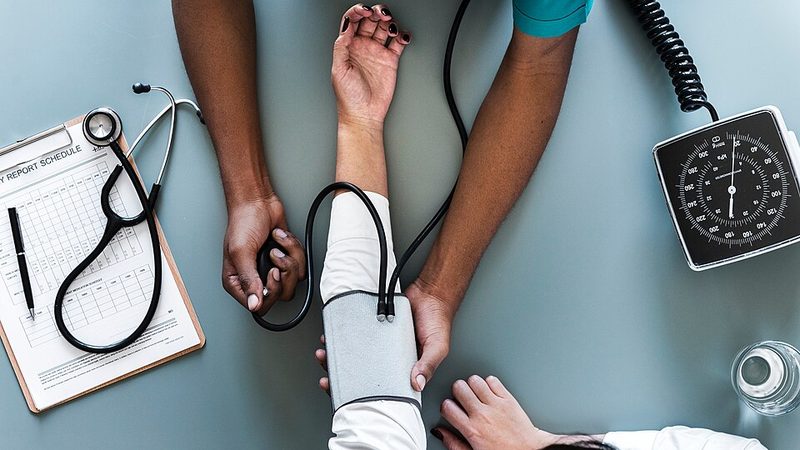
High Blood Pressure in Pregnancy: Pre-Eclampsia Warning Signs
Yes, high blood pressure in pregnancy should be taken seriously — learn the warning signs of pre-eclampsia, such as a severe headache, vision changes and upper abdominal pain, and seek care immediately if they appear. Pre-eclampsia is a pregnancy complication marked by high blood pressure (≥140/90 mmHg) after 20 weeks of pregnancy, often with protein in the urine.
What Is Pre-Eclampsia?
Pre-eclampsia is a pregnancy complication with high blood pressure (≥140/90 mmHg) after 20 weeks of pregnancy, often accompanied by protein in the urine (proteinuria ≥0.3g/24 hours, per WHO criteria). Importantly, it can also develop after birth, so keep an eye on the first few weeks postpartum.
Symptoms to Know
- Severe headache that will not go away
- Vision changes — blurred or flashing lights
- Pain in the upper right side of the abdomen (epigastric)
- Sudden swelling of the face or hands
- Nausea or vomiting
Risk Factors
You are at higher risk if this is your first pregnancy, you have had pre-eclampsia before, you have a family history of it, you are aged 40 or over, your BMI is high, you are carrying twins, or you already have high blood pressure, diabetes or kidney disease.
Why It Matters
Pre-eclampsia and eclampsia are among the leading causes of maternal death and serious illness worldwide (WHO). That is why a blood pressure check at every antenatal visit matters so much — every reading is recorded in your pink book, so register yours early. High blood pressure in pregnancy needs to be taken seriously.
Can It Be Prevented?
If you are at high risk, your doctor may advise low-dose aspirin starting from week 12 of pregnancy — follow your doctor’s advice, do not start on your own. Rest, sleeping on your left side, and monitoring your blood pressure at home if advised by your doctor also help.
Emergency Signs — Go to Hospital
A severe headache, blurred vision or upper abdominal pain are emergency signs — go to hospital immediately, do not wait. The definitive treatment for pre-eclampsia is delivery of the baby; the medical team will decide the best timing for you and your baby. Mothers at high risk of pre-eclampsia should also review foods to avoid during pregnancy to support blood pressure management through diet.
Awareness of this condition matters — World Preeclampsia Day is observed every year on 22 May.
References
- World Health Organization (WHO). Pre-eclampsia fact sheet. https://www.who.int/news-room/fact-sheets/detail/pre-eclampsia
- Preeclampsia Foundation. Awareness Month. https://www.preeclampsia.org/awarenessmonth
- World Preeclampsia Day. https://www.preeclampsia.org
- KKM Clinical Practice Guideline (CPG) — general reference for the management of hypertension in pregnancy.
This article is for educational purposes and is not medical advice. Always consult your doctor or midwife.
Frequently Asked Questions
What are the danger signs of pre-eclampsia that need hospital care?
A severe headache that will not go away, vision changes (blurred vision or flashing lights), and pain in the upper right side of the abdomen are emergency signs — go to hospital immediately, do not wait.
What blood pressure reading is considered dangerous during pregnancy?
High blood pressure (≥140/90 mmHg) after 20 weeks of pregnancy, often with protein in the urine (proteinuria ≥0.3g/24 hours — WHO criteria), points to pre-eclampsia. A BP check at every antenatal visit (pink book) is important.
Can pre-eclampsia be prevented?
If you are at high risk, your doctor may advise low-dose aspirin starting from week 12 of pregnancy — follow your doctor's advice, do not start on your own. Rest, sleep on your left side, and monitor your blood pressure at home if your doctor advises it.
My feet are swollen — is that pre-eclampsia?
Swollen feet on their own are normal during pregnancy. What is concerning is sudden swelling of the face or hands, especially if accompanied by a severe headache or vision changes — get checked immediately.