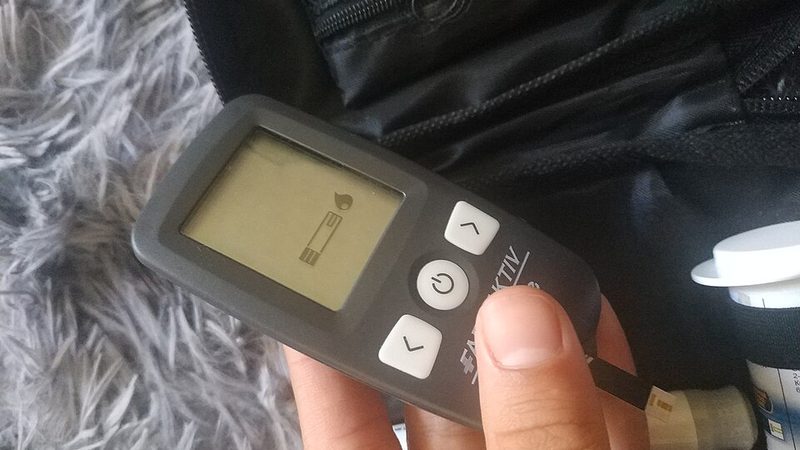
Gestational Diabetes (GDM): OGTT Screening and How to Manage It
Gestational diabetes (GDM) can be controlled with diet, light exercise and blood sugar monitoring — and it is screened for using the OGTT, usually at 24–28 weeks of pregnancy. GDM is diabetes first detected during pregnancy, when hormones from the placenta interfere with the action of insulin in the body.
What Is GDM?
GDM (gestational diabetes mellitus) is diabetes first detected during pregnancy. It happens because hormones from the placenta interfere with the action of insulin, making it harder for the body to control blood sugar levels. It is not caused by eating sweet foods alone — placental hormones are the main cause.
GDM prevalence in Malaysia has nearly doubled, from 12.5% in 2016 to 27.1% in 2022 (Chong et al. 2025). The IDF Diabetes Atlas 2025 reports Malaysia’s GDM prevalence at 27.3%, with around 160,407 live births a year affected by hyperglycaemia in pregnancy.
When Is OGTT Screening Done?
GDM screening uses the OGTT (Oral Glucose Tolerance Test) — you drink a 75 g glucose solution, and blood is taken before and after. The test is usually done at 24–28 weeks of pregnancy, following the antenatal schedule in the pink book at government clinics.
Also ensure you understand the supplements prescribed at your government clinic — folic acid, New Obimin and Zincofer all play a role in supporting a healthy pregnancy.
Who Needs Early Screening?
Earlier screening may be offered if you are at high risk, including:
- Previous GDM in an earlier pregnancy
- A family member with diabetes
- High BMI
- Age over 35
GDM Diagnostic Criteria
Under the WHO criteria adopted in the KKM CPG, GDM is confirmed if any one of the following readings is met: fasting ≥5.1 mmol/L, 1 hour ≥10.0 mmol/L, or 2 hours ≥8.5 mmol/L.
Risks If Left Unmanaged
Uncontrolled GDM raises the risk of a large baby (macrosomia), a difficult birth, a higher risk of pre-eclampsia and C-section, low blood sugar in the baby after birth, and a long-term type 2 diabetes risk for both mother and child.
How to Manage GDM
Management starts with diet — choose low-GI carbohydrates in controlled portions — combined with light exercise such as walking and blood sugar monitoring. Knowing which foods to avoid during pregnancy will help you make more informed dietary choices. If these steps are not enough, your doctor may prescribe metformin or insulin. Do not stop on your own.
After Birth
Blood sugar usually returns to normal after birth. You will be advised to repeat the OGTT 6–12 weeks after delivery (KKM practice), because you remain at risk of type 2 diabetes — regular follow-up matters. Breastfeeding is also encouraged. If you are planning to give birth at a government hospital, understand your options through the FPP scheme guide.
References
- Chong et al. (2025). https://pmc.ncbi.nlm.nih.gov/articles/PMC12453186
- International Diabetes Federation (IDF). IDF Diabetes Atlas — Malaysia. https://diabetesatlas.org/data-by-location/country/malaysia
- World Health Organization (WHO). Diabetes fact sheet. https://www.who.int/news-room/fact-sheets/detail/diabetes
- KKM Clinical Practice Guideline (CPG) — general reference for the management of diabetes in pregnancy.
This article is for educational purposes and is not medical advice. Always consult your doctor or midwife.
Frequently Asked Questions
When is GDM screening done during pregnancy?
The OGTT is usually done at 24–28 weeks of pregnancy, following the antenatal schedule in the pink book at government clinics. Earlier screening may be offered if you are at high risk, for example if you had GDM before or a family member has diabetes.
Is the OGTT painful?
The OGTT involves taking blood before and after you drink a 75 g glucose solution — just like a normal blood draw. The discomfort is only mild and temporary.
What should I do if I am diagnosed with GDM?
Follow your healthcare team's advice: manage your diet with low-GI carbohydrates and controlled portions, do light exercise such as walking, and monitor your blood sugar. If these steps are not enough, your doctor may prescribe metformin or insulin — do not stop on your own.
Does GDM persist after birth?
Blood sugar usually returns to normal after birth, and you will be advised to repeat the OGTT 6–12 weeks after delivery (KKM practice). However, you remain at risk of type 2 diabetes, so regular follow-up is important. Breastfeeding is also encouraged.