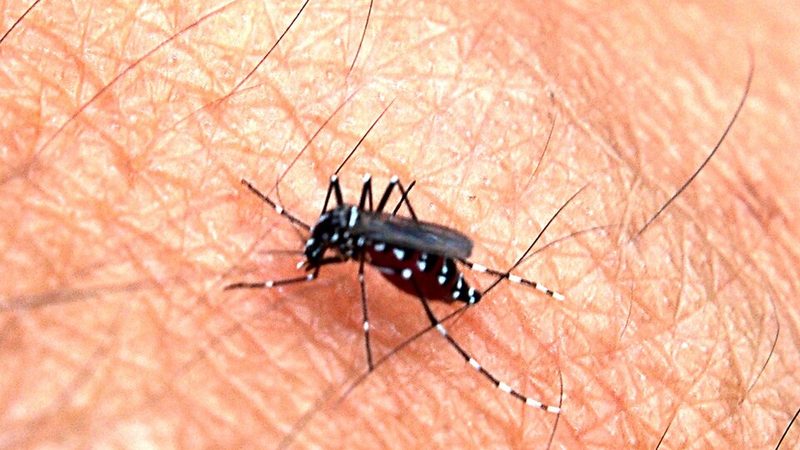
Dengue in Pregnancy: Risks, Symptoms and When to Seek Care
The short answer: dengue during pregnancy must be taken seriously because pregnant women are at higher risk of severe dengue — learn the symptoms and warning signs, and don’t wait to seek treatment.
Malaysia is currently seeing a surge in dengue cases: 42,848 cases were recorded as of mid-July 2026, up 34.8% from the same period in 2025 (31,790 cases), with 36 deaths as of 26 July 2026. Selangor recorded the highest number of cases (22,418), according to the KKM CPRC / National Dengue Operations Room as reported by Astro Awani and Berita Harian. This article was written in August 2026, ahead of the festive season and balik kampung travel — a time of increased movement — as well as the monsoon season, which usually brings more cases. Latest data can be monitored on iDengue (idengue.mysa.gov.my), a collaboration between KKM and MYSA.
Why Are Pregnant Women at Higher Risk?
Pregnant women are at higher risk of severe dengue compared with the general population. That is why a fever during pregnancy should not be waited out — get checked early, because a blood test is needed for detection.
Dengue Symptoms
Common symptoms include sudden high fever, severe headache, pain behind the eyes, muscle and joint pain, rash and nausea. These are easily mistaken for a common cold, but if you are pregnant, don’t take them lightly.
Warning Signs — Go to Hospital Now
If any of the following appear, don’t wait: severe abdominal pain, persistent vomiting, bleeding gums, nosebleeds, lethargy or extreme fatigue, and reduced urination. These are signs that dengue may become severe and needs immediate hospital care.
Safe Fever Control
To bring down a fever, take paracetamol only. Avoid aspirin and ibuprofen (NSAIDs) because they increase the risk of dengue bleeding. Also make sure you drink enough fluids to avoid dehydration.
How to Prevent Dengue
- Use recommended mosquito repellent — DEET is safe for pregnant women at recommended concentrations.
- Wear long-sleeved clothing, especially when mosquitoes are active.
- Spend 10 minutes checking your surroundings and remove stagnant water breeding sites.
- Sleep under a mosquito net if needed.
- Keep your antenatal appointment schedule — your pink book records your health status so your doctor can respond quickly if you have been exposed to infection.
- The supplements given at government clinics, such as folic acid, Obimin or Zincofer, support your immune system — do not skip them even when you feel unwell.
References
- Dengue cases nationwide rise, over 40,000 cases recorded (Astro Awani)
- Dengue cases nationwide rise, over 40,000 cases recorded (Berita Harian)
- iDengue — latest dengue data (idengue.mysa.gov.my)
- Dengue and severe dengue — WHO fact sheet (who.int)
This article is for educational purposes and is not medical advice. Always consult your doctor or midwife.
Frequently Asked Questions
Is dengue dangerous for pregnancy?
Yes. Pregnant women are at higher risk of severe dengue compared with the general population, so a fever during pregnancy should never be taken lightly. Don't wait — get checked early, because a blood test is needed for detection.
Can I use mosquito repellent (DEET) during pregnancy?
Yes. Recommended mosquito repellents — including DEET at recommended concentrations — are safe for pregnant women and are an important prevention step, alongside long-sleeved clothing and mosquito nets.
What medicine is safe for fever during pregnancy?
Paracetamol only. Avoid aspirin and ibuprofen (NSAIDs) because they increase the risk of dengue-related bleeding. Also make sure you drink enough fluids to avoid dehydration.
When should I go to hospital immediately?
Go to hospital immediately if warning signs appear: severe abdominal pain, persistent vomiting, bleeding gums or nose, lethargy or extreme fatigue, or reduced urination. Even a fever alone during pregnancy should be checked early, because a blood test is needed.